


On July 19, in the World Cup final, the money and the market disagreed.
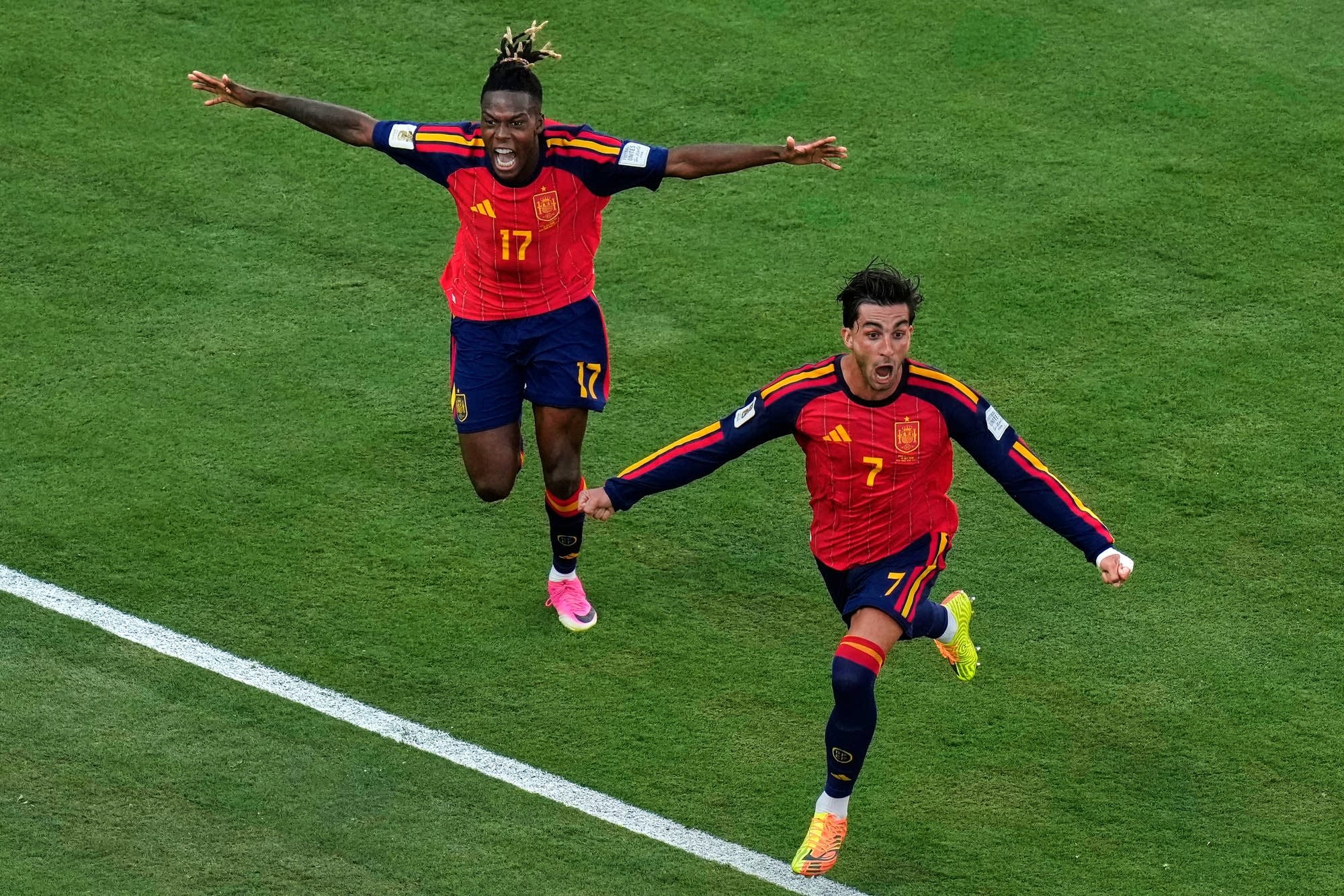
Spain were favorites. At Hard Rock Bet, more than 70 percent of the money on the ninety-minute result backed Argentina anyway. At Caesars, the most-bet same-game parlay leg in the operator’s soccer history was Lionel Messi to score. Spain won 1–0 in extra time. Nobody from Argentina scored at all.
The books called it the biggest betting event in American history. Caesars’ handle on the final ran nearly 65 percent above its previous record. BetMGM said the final drew more bets than any game of the World Series, the NBA Finals or March Madness.
By the standards of the sport, it was a sideshow.
Soccer is the largest betting market in the world by a distance no other sport approaches. Statista puts 2024 global handle on it above $779 billion — about half of everything wagered on sport anywhere. Asia accounts for more than 60 percent of global sports handle, and roughly six in ten of those Asian dollars go to soccer. The Hong Kong Jockey Club, an institution built on horses, took a record HK$172.8 billion on football last season. That is more than it took on racing.
The reasons are structural. The sport never stops — dozens of leagues, every day of the year, in every time zone. It has a third outcome, the draw, which multiplies the markets on every match. And it is low-scoring, so a single goal reprices everything in seconds, which is the ideal shape for in-play betting, where the modern money lives.
A market that large stops being entertainment. It becomes infrastructure, and other institutions start leaning on it.
Brazil is the example, and it happened 72 hours ago.
On September 25, nine days before the first round of a presidential election, Luiz Inácio Lula da Silva signed a provisional measure banning online fixed-odds betting — less than two years after his own government opened the regulated market. Flutter confirmed it had stopped operating in the country. Betting companies sponsor almost every club in Brazil’s top two divisions, and the clubs had spent the week asking him to reconsider. Brazil’s central bank estimated last year that Brazilians spend about 30 billion reais a month on bets. Ministers cited an estimated 1.8 million people pushed into debt.
The industry’s reply was the one it always gives: ban the licensed market and the bettors go to the black one. That may well be right. It is also beside the point. The government watched a market become load-bearing for the national game and decided the load was being carried by the wrong people.
This is what happens when a market gets big enough. It stops being something the sport has and becomes something the sport is built on — the shirt, the stadium, the broadcast break, the club budget. Pull it out and the question is not whether anyone still cares about football. It is what else comes down with it. The same arithmetic applies to any industry that lets a single revenue line become its foundation and then finds out the line was always somebody else’s to cut.
The cost lands at the bottom, where it always does: the household that spent the grocery money on a Tuesday night league match.
The biggest market in betting was never really a market on a sport. It was the sport’s balance sheet, and last Friday a president read it aloud.